

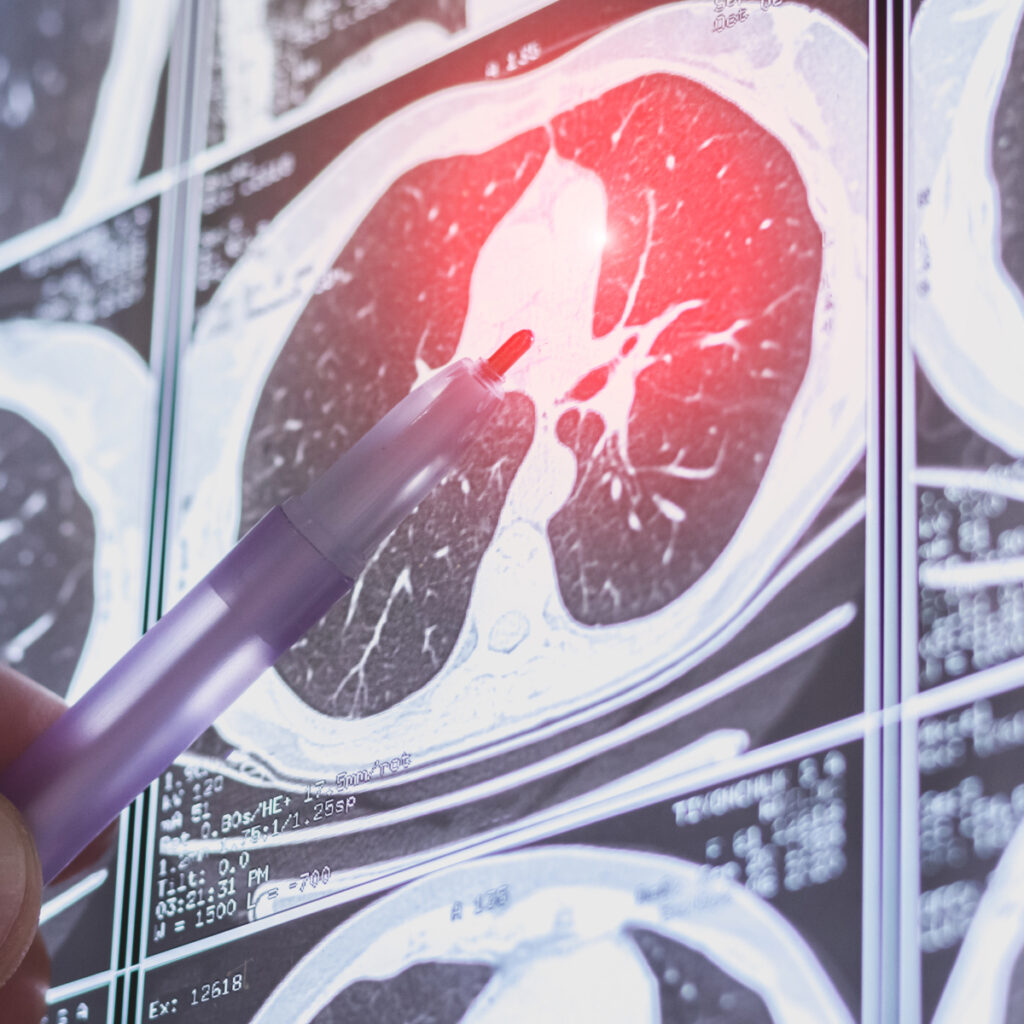
A CT scan is a non-invasive imaging test that uses X-rays and computer technology to create detailed cross-sectional images of the inside of your body.
These images provide more information than regular X-ray images, allowing healthcare providers to better diagnose and monitor and diagnose a variety of medical conditions, such as injuries, infections, cancers, and internal organ disorders.
Using advanced technology and low-dose radiation, modern advanced CT scans offer quick, accurate results for effective treatment planning.
Modern CT technology has advanced significantly, allowing scans to be performed with substantially lower radiation exposure than older-generation systems.
Our practice uses the advanced GE Revolution Apex Elite CT Scanner, one of the latest premium CT scanners available, designed with sophisticated low-dose imaging technology to help minimise radiation exposure wherever clinically appropriate.
Using intelligent dose modulation, high-speed image acquisition, and advanced image reconstruction software, the system is able to produce exceptionally detailed images while optimising radiation dose for each individual patient. This is particularly important for patients who may require repeat imaging over-time, as well as younger patients.
Unlike some providers who simply market the term “low dose”, our scanner is purpose-built with genuine next-generation dose reduction technology, helping deliver outstanding image quality alongside a strong commitment to patient safety and diagnostic accuracy.
Gibraltar Radiology perform a wide range of general, angiography, screening and oncology CT examinations.
Please see below for information on some of the most commonly referred services that we provide.
What is a CT Scan?
How Do You Prepare for a CT Scan?
Head, neck and chest scans:
Abdomen and pelvis scans:
Renal scans:
Before the Scan
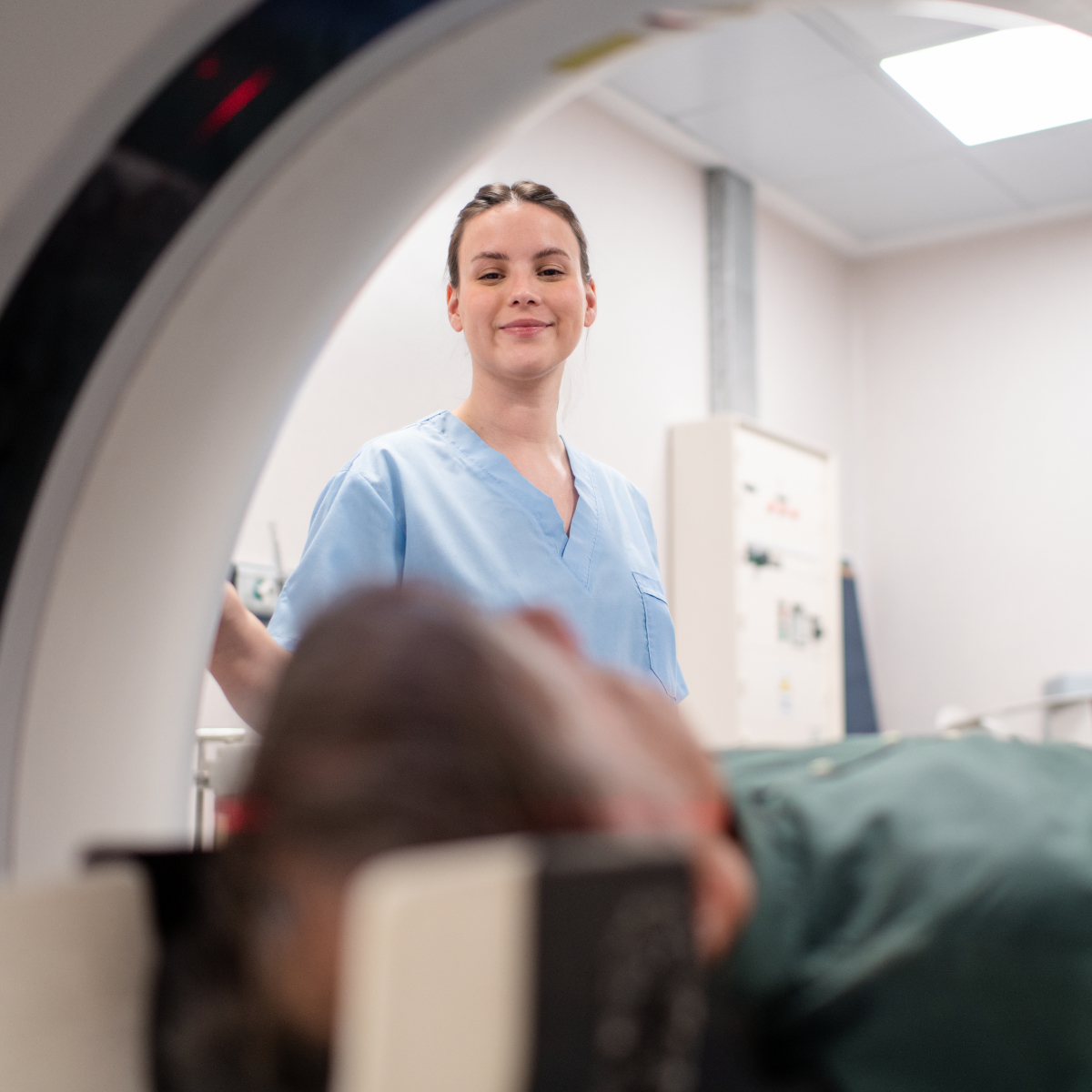
What Happens During the CT Scan?
After the CT Scan
Risks and Considerations
Results and Follow-Up
What is a CT Arthrogram?
A CT arthrogram is an excellent way of imaging the internal structure of joints. An injected contrast dye allows for cartilage, ligaments and joint lining to be highlighted. Structures around the joint (tendons, muscles and bones) are also imaged.
Why Is a CT Arthrogram Needed?
This procedure is typically recommended to:
Preparing for the Procedure
What to Expect During the Procedure
After the Procedure
Possible Risks and Complications
While a CT arthrogram is generally safe, there are some risks, including:
If you experience severe pain, swelling, redness, or fever after the procedure, contact your doctor immediately.
What is a CT Calcium Score?
A CT Calcium Score (also known as a coronary artery calcium (CAC) score) is a non-invasive imaging test that uses a computed tomography (CT) scan to detect the presence of calcium in the coronary arteries. The presence of calcium is an indicator of plaque buildup in the arteries, which can increase the risk of heart disease, heart attacks, or other cardiovascular problems.
The CT calcium score helps identify individuals at risk for coronary artery disease (CAD) even before symptoms appear. This early detection enables preventative treatment to be commenced before serious heart conditions develop.
Why is a CT Calcium Score Performed?
A CT Calcium Score is used to:
Who Should Consider a CT Calcium Score?
Your doctor may recommend a CT Calcium Score if you are:
How is the Test Done?
What Does the CT Calcium Score Mean?
The calcium score reflects the amount of calcified plaque in your coronary arteries. The higher the score, the greater the amount of plaque and the higher the risk for heart disease. The results are generally classified as follows:
Your score will help your doctor make decisions about treatment, lifestyle changes, or whether further testing is necessary.
Benefits of the CT Calcium Score
Risks and Limitations
After the Scan
The test may be part of a larger strategy to help reduce your risk for heart disease, including lifestyle changes (e.g., diet, exercise), medications, or further tests.
What is CT Coronary Angiography?
It is a non-invasive examination that uses computed tomography (CT) to look at the blood vessels that supply the heart with blood (coronary arteries), the heart musculature, the chambers and function of the heart. This examination can detect blockages, known as plaques that are soft or calcified in nature and provide information about their location and the severity of the blockage to your doctor for necessary treatment. Iodinated contrast medium is used to highlight the blood vessels.
Why is CT Coronary Angiography Done?
Your doctor may recommend a CTCA if you are at risk for coronary artery disease (CAD) or have symptoms like chest pain, shortness of breath, or irregular heartbeats. It can help evaluate:
How should I prepare for the examination?
In CT coronary angiography, a slower heart rate makes it possible for the scanner to capture high-quality images of your blood vessels.
Please:
How is the Test Performed?
Preparation:
Procedure:
After the Scan
Risks and Considerations:
Australia’s New National Lung Cancer Screening Program is a screening tool designed to detect early signs of lung cancer, especially in high-risk individuals. Using advanced CT technology with lower radiation, it provides detailed images of the lungs to identify abnormalities such as tumours or lesions. This quick and non-invasive procedure can lead to earlier, more effective treatment
Patient Information Sheet:
The Australian government has introduced a new National Lung Cancer Screening Program aimed at detecting lung cancer at an early stage, when it is easier to treat. This program is for people who are at high risk of developing lung cancer and provides an opportunity for early detection, improving survival rates and outcomes.
Who is Eligible for Screening? The program is designed for people who:
Please Note: People with symptoms of lung cancer, such as persistent cough, unexplained weight loss, or chest pain, should see their doctor immediately. This screening program is for people without symptoms but who are at high risk.
What is Lung Cancer Screening?
Lung cancer screening involves a test called a low-dose CT scan (LDCT), which takes detailed images of the lungs. This test can help detect early signs of lung cancer before symptoms appear, increasing the chances of successful treatment.
How Does the Screening Work?
Benefits of Lung Cancer Screening:
Possible Risks and Considerations:
What Happens After Screening?
Important Reminders:
Contact Information:
If you have questions about the National Lung Cancer Screening Program or want to learn more, you can contact the following:
You will receive a small dose of x-ray radiation. Please advise the radiographer if you are, or think you may be pregnant.
The CT images will be reviewed by a radiologist and sent to your doctor. Please book an appointment with your referring doctor to discuss the findings. Most results are available within a few days.

In Australia, radiology referrals are not clinic-specific. You can use a referral made out to another clinic here.

An imaging study is only as good as the specialist reporting it. Our team are highly-experienced radiologists, with sub-specialised areas of expertise.

We have invested in the latest low-dose imaging technology, which offer enhanced clarity, to ensure our patients enjoy the safest clinical experience possible.

Onsite Radiologists means rapid turn-around of reports, with results sent back to your referrer within 24-hours, or the next working day.

Clinically urgent appointments are always accommodated. Please call reception for further assistance.
In Australia, radiology referrals are not clinic-specific. You can use a referral made out to another clinic here.
An imaging study is only as good as the specialist reporting it. Our team are highly-experienced radiologists, with sub-specialised areas of expertise.
We have invested in the latest low-dose imaging technology, which offer enhanced clarity, to ensure our patients enjoy the safest clinical experience possible.
Onsite Radiologists means rapid turn-around of reports, with results sent back to your referrer within 24-hours, or the next working day.
Clinically urgent appointments are always accommodated. Please call reception for further assistance.
If you have any questions or concerns about CTs, please feel free to contact our friendly staff.
If you wish to make a booking or require urgent attention, please get in touch with our friendly team to make a booking.

Welcome to our brand new clinic!
Our Services:
To make a booking, you can do it online or get in touch with our team by phone or email.
All referrals accepted.