X-Ray

X-ray imaging is a fast, non-invasive diagnostic tool that uses low-dose radiation to create detailed images of the inside of the body. It is commonly used to assess bones for fractures, detect chest and lung conditions, and identify issues in the abdomen or joints.

Overview Expect

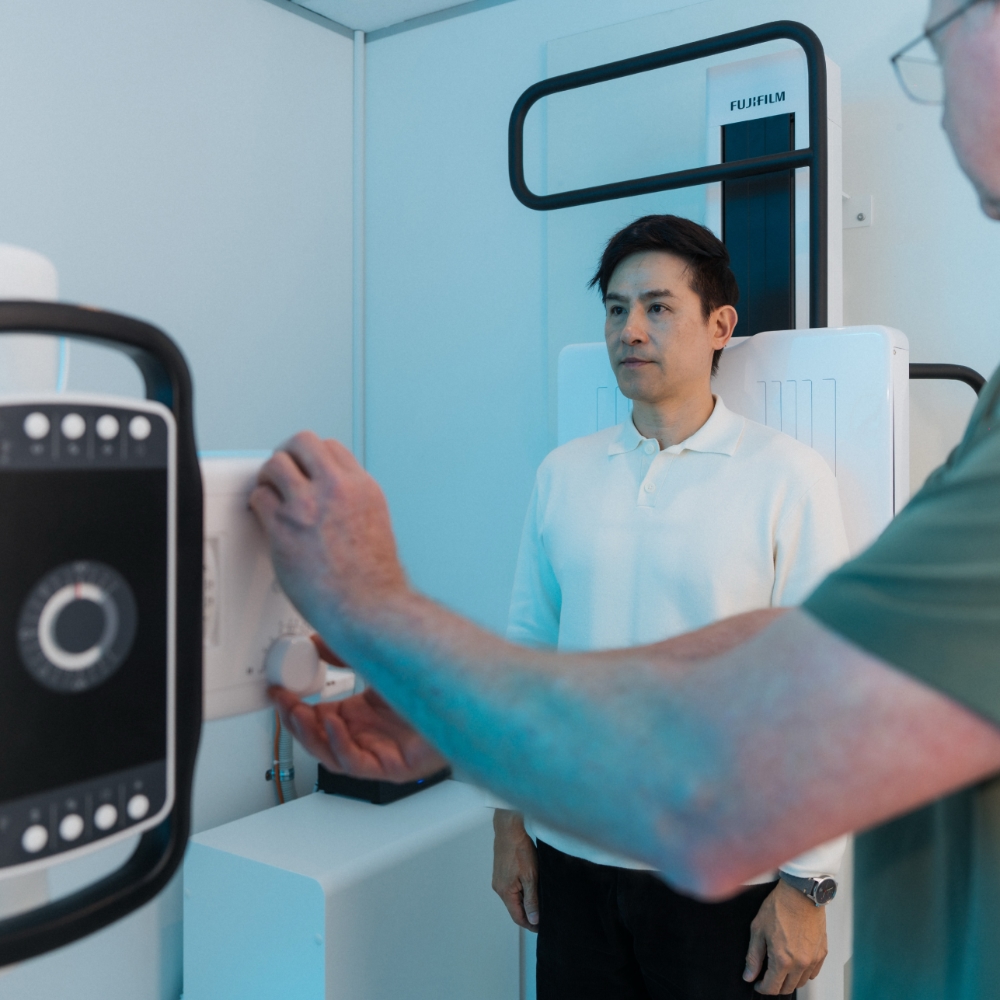
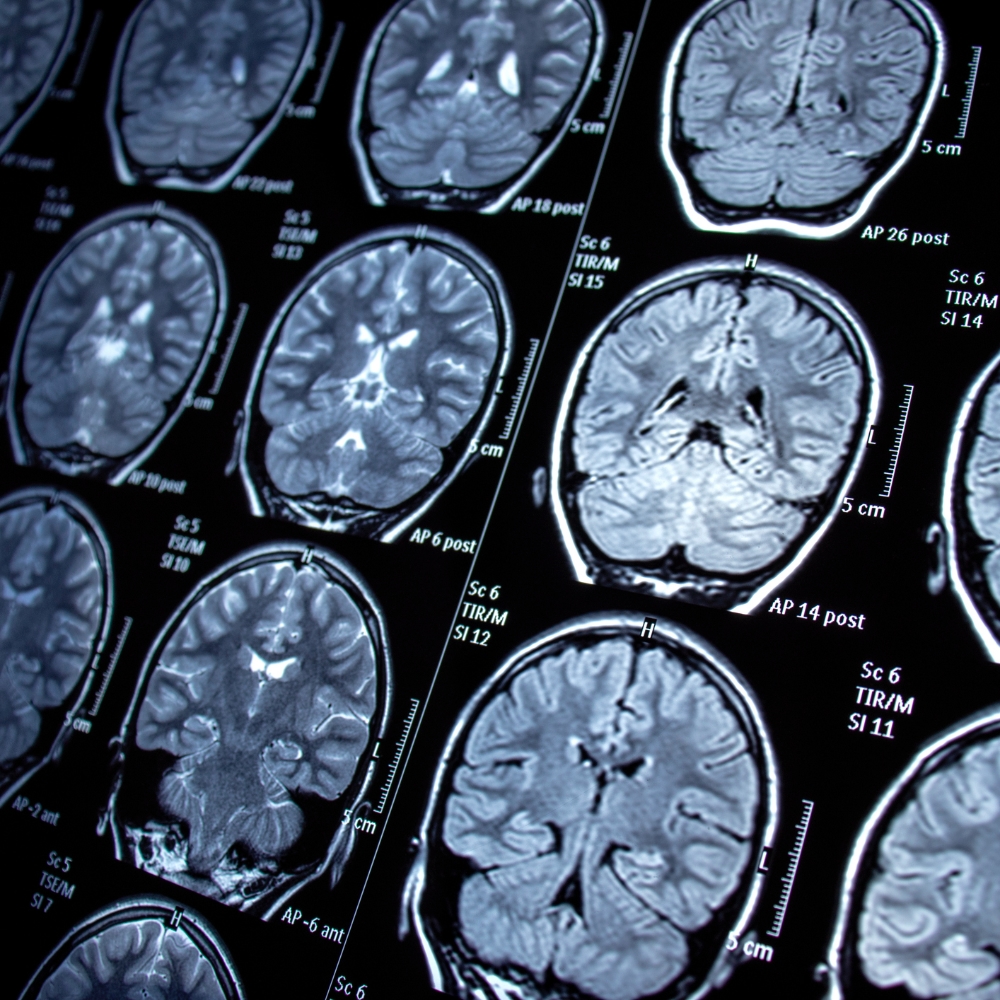
An X-ray is a quick medical test that helps doctors view the inside of your body. It uses a small amount of ionizing radiation to create images of bones, organs, and other internal structures.

X-Ray Regions

A chest X-ray is a quick and effective way to assess your lungs, heart, and chest structures. It helps diagnose conditions like pneumonia, lung disease, heart enlargement, and rib fractures. Using low-dose radiation, our advanced imaging technology provides clear, accurate results for fast diagnosis and treatment.

X-rays are a fast and reliable way to detect fractures, arthritis, and other bone conditions. Using low-dose radiation, they provide clear images to assist in accurate diagnosis and treatment. Our advanced technology ensures high-quality imaging with minimal discomfort.
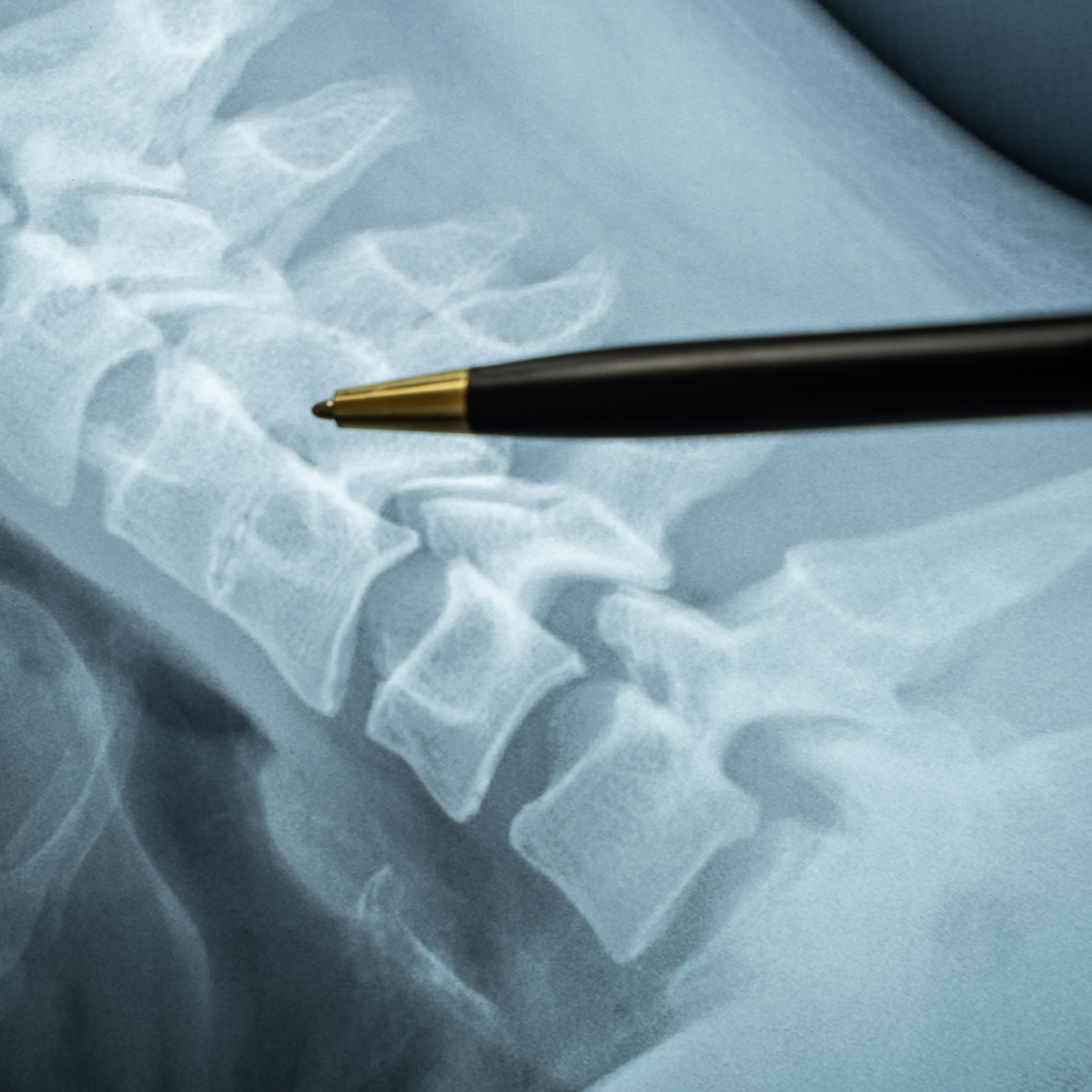
An abdominal X-ray is a fast and effective way to assess issues like kidney stones, bowel obstructions, and unexplained pain. Using low-dose radiation, it provides images of the stomach, intestines, and other abdominal structures to assist in accurate diagnosis and treatment. Our expert radiology team ensures high-quality imaging with minimal discomfort.

How should I prepare?

  • Clothing: You may be asked to change into a hospital gown.
  • Jewelry & Metal: Remove jewelry, watches and metal objects as they can affect the image.
  • Pregnancy: Inform the radiographer if you are or might be pregnant. X-rays are avoided during pregnancy.

What happens during the X-ray?

  • You will be positioned by a radiographer, either standing, sitting, or lying down.
  • You must stay still.
  • You may be asked to hold your breath for a few seconds while the image is taken.
  • The process typically takes only a few minutes.

Is it safe?


X-rays are generally safe. The amount of radiation used is very low, and precautions are taken to limit your exposure. Lead shields may be used to protect parts of your body not being imaged.

After the X-ray

  • You can return to normal activities immediately.
  • A radiologist (a doctor specialized in interpreting X-rays) will review the images.
  • Please book an appointment with your doctor to discuss the results.

Key Features of Our Clinic

Our point of difference

All Referrals Welcome

In Australia, radiology referrals are not clinic-specific. You can use a referral made out to another clinic here.

Expert Radiologists

A study is only as good as the specialist reporting it. Our team are experienced and broadly knowledgeable radiologists with sub-specialised training.

Latest Low-Dose Technology

We have invested in the latest imaging technology to ensure our patients enjoy the safest clinical experience possible.

Fast Reporting to GPs & Specialists

Onsite Radiologists means rapid turn-around of reports, with written correspondence sent within 2–24hours.

Urgent & Emergency

Urgent appointments are always accommodated. Simply call reception.

Our Team

Meet Our Radiology Team

Dr Andrew Low

BEng, MSc, MBBS(Hons 1), FRCPC, FRANZCR

Radiologist

Dr James Bewes

BScAdv, MMedPhys, MBBS(Hons), FRANZCR

Radiologist

Questions

Questions?
If you have any concerns or questions before or after your X-ray, please contact our friendly reception staff.

Expert imaging. Clear answers. Compassionate care. Book your appointment today!

If you wish to make a booking or require urgent attention, please get in touch with our friendly team to make a booking.

Please Note

We are NOT open to the public yet as our clinic is still under construction. Our official opening date is scheduled to be late February 2026.